
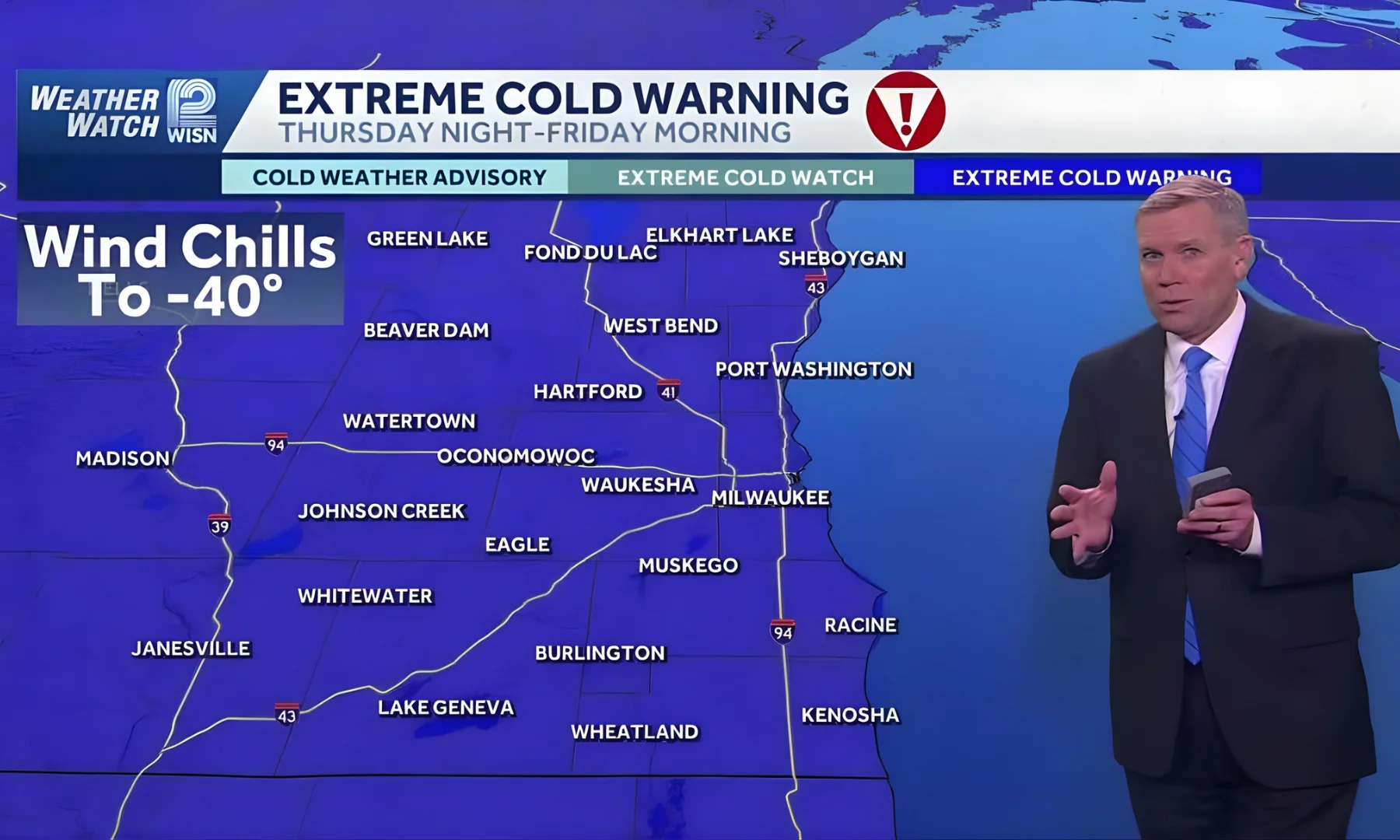
An Extreme Cold Warning is a serious weather alert issued by the National Weather Service (NWS) in the United States to warn the public about dangerously low temperatures or wind chill values that can pose health risks like hypothermia and frostbite if precautions aren’t taken.
This alert replaces the older “wind chill warning” terminology and reflects the fact that extremely cold conditions — even without strong wind — can be life-threatening.
What Triggers an Extreme Cold Warning
An Extreme Cold Warning is issued when:
- Weather forecasts anticipate dangerously cold air temperatures, or
- Wind chill values — how cold it feels with wind — are expected to reach levels that can cause rapid heat loss from the body.
While the exact criteria can vary by location, the warning is meant to signal conditions likely to cause severe frostbite and hypothermia if people are exposed outdoors without proper protection.
How Extreme Cold Affects You
Extreme cold conditions can be more than uncomfortable — they can be dangerous:
❄️ Hypothermia
This occurs when your core body temperature drops, slowing vital bodily functions. It can happen in very cold weather, especially if someone is wet or not dressed properly.
❄️ Frostbite
Exposed skin can freeze within minutes in extreme cold or high wind chill, leading to permanent tissue damage if not treated quickly.
❄️ Other Risks
- Increased strain on the heart and lungs
- Higher chance of slips and falls on icy surfaces
- Burst water pipes or heating shortages at home
These risks make preparing for and responding to extreme cold essential — especially for children, older adults, outdoor workers, and pets.
What to Do During an Extreme Cold Warning
If an Extreme Cold Warning is in effect in your area, here’s how to stay safe:
🧥 Dress for the Conditions
Wear multiple layers, including:
- Insulated jacket
- Hat, gloves or mittens
- Scarf to cover exposed skin
- Waterproof boots
Covering skin and trapping warm air between layers helps prevent heat loss in extreme chill.
🏠 Stay Indoors if Possible
Avoid spending long periods outside. If you must go out:
- Limit outdoor time
- Check on vulnerable family members or neighbors
- Keep pets indoors
🧤 Prepare Your Home and Vehicle
- Keep your heating system functioning properly
- Insulate water pipes
- Carry emergency supplies in your vehicle if travel is necessary
🚗 Drive Safely
Cold weather can make roads icy and hazardous. If travel can be postponed, it’s often safer to stay home.
Who Is Most at Risk?
Certain groups are particularly vulnerable during extreme cold conditions:
- Young children
- Older adults
- People with chronic illnesses
- Outdoor workers
- Unsheltered individuals
- Pets left outdoors
Checking on family, neighbors, and pets during severe cold can be a life-saving habit.
Final Thoughts
An Extreme Cold Warning isn’t just a weather phrase — it’s a public safety alert that should be taken seriously. When you see this warning, it’s time to take action: stay informed, stay warm, and protect yourself and others from the risks of bitter cold conditions.